
Owner Operator Truck Driving: Is It Right for You?
Meta Title: Owner Operator Truck Driving: Is It Right for You? | SAGE Truck Driving Schools
Meta description: Considering the owner/operator path after getting your CDL? Here’s what the business model actually looks like, from startup costs and earning potential to licensing and what it takes to succeed. (157 characters)
Original URL: https://staging.sageschools.com/is-being-an-owner-operator-for-you/
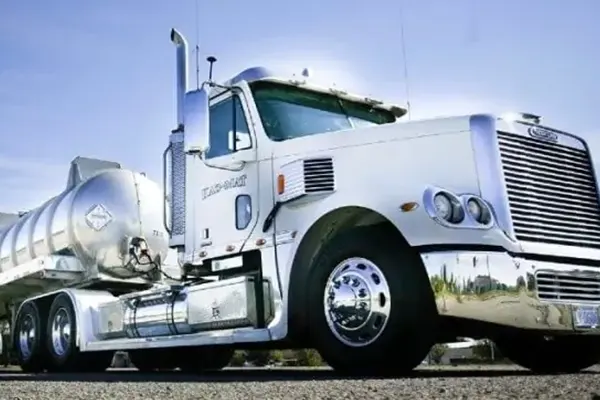
An owner/operator is a truck driver who owns their truck and runs it as their own business, rather than working as a company employee for a carrier. The model typically offers more earning potential and schedule flexibility than company driving, but it comes with significant upfront costs and ongoing business responsibilities.
At SAGE Truck Driving Schools, many students enter training with the owner/operator path already in mind. Truck driving jobs are plentiful, and large carriers continue to offer incentives to recruit drivers. But working for an existing company is not the only option for CDL holders.
Owner Operator vs. Company Driver: A Quick Comparison
| Factor | Owner/Operator | Company Driver |
| Startup cost | $40,000–$150,000+ (truck) plus Year 1 fees | None |
| Pay structure | Revenue per load, minus all expenses | Hourly or per-mile wage |
| Schedule | Full control | Set by carrier |
| Job security | Load-dependent | Steady and predictable |
| Business overhead | You handle everything | Carrier handles it |
| Best fit | Self-starters comfortable with financial risk | Drivers who prefer stable income |
Getting Your CDL Is the First Step
Obviously, the first thing you need to do is get your CDL. At SAGE Truck Driving Schools, the Class A CDL program takes 4–6 weeks full-time. Once you earn your CDL, you’ve completed the first step toward becoming an owner-operator. Before operating under your own authority, you’ll also need to establish your business, obtain the required registrations and insurance, and comply with applicable federal and state regulations. Not all carriers hire new drivers. Some do, but it can often take years to start earning veteran driver wages. For some drivers, becoming an owner-operator is a long-term career goal. Others choose to purchase a truck early in their careers. The right timing depends on your financial situation, business experience, and comfort managing the responsibilities of owning a business..
The Cost of Owning a Truck
Once you have your CDL, you would obviously need a truck of your own. That can be costly, while owner-operators often have higher earning potential, they also assume substantially greater financial risk. Success depends on freight rates, operating costs, equipment reliability, business management skills, and market conditions.
In addition to purchasing a truck, new owner-operators should maintain adequate working capital to cover fuel, repairs, insurance premiums, permits, and living expenses while waiting for customer payments.
Earning Potential
Owner/operator pay varies depending on freight type, distance, and how well you manage your overhead. The earning potential is one of the biggest draws of the model, but it’s important to understand that your gross revenue has to cover your truck payment, insurance, fuel, and maintenance before you see take-home pay. Not everyone is cut out for being their own boss.
Job Stability and Finding Loads
Job stability is a big thing for most people. Signing on with a major carrier is arguably the most stable course of action. However, most owner-operators claim they don’t have trouble finding loads if they want them.
Carriers have increasingly turned to owner-operators to meet demand and reduce the overhead costs of full-time employees. In some cases, they prefer it, since it allows them to move freight without those added costs.
The Freedom (and Responsibility) of Running Your Own Business
As the owner of your truck and your business, you can negotiate and choose the loads you want, and avoid the ones you don’t. You also have the flexibility of determining your own work schedule, vacation time, and more. You are truly your own boss. Your success or failure falls completely on you. Some find that empowering and thrive in that environment. Others find it too much stress and prefer to earn a steady paycheck while someone else worries about the details beyond driving the truck. Only you can make that decision.
The Path to Ownership
According to FMCSA there are over 922,000 owner/operators in the US. This might be something you strive for, but aren’t prepared, financially or otherwise, to start as. Many drivers start out working for carriers, and as they gain experience, they save and plan for their move to entrepreneurship.
The good news is, either way, truck driver jobs are plentiful and pay well. If you are considering a move into owning your own truck, you can earn a good living and learn a lot in the meantime.
How much does it cost to become a truck owner/operator?
- Truck Purchase: The most significant investment for an aspiring owner/operator is the truck itself. New trucks can cost anywhere from $80,000 to over $150,000, depending on the features and model. Used trucks offer a lower entry point, typically between $40,000 and $100,000.
- Insurance: Commercial truck insurance is typically the largest startup cost outside the truck itself. Expect to pay $9,000–$15,000 in your first year, covering liability, cargo, and physical damage. Costs vary based on coverage levels and driving history.
- Operating Licenses and Permits: A USDOT number is free to obtain through the FMCSA. MC (Motor Carrier) operating authority, required for for-hire interstate carriers, costs a one-time $300 filing fee. Additional annual registrations, including UCR, IFTA, and IRP apportioned plates, add roughly $2,000–$3,500 in government fees per year. When you factor in insurance, budget approximately $11,000–$19,000 for your full first year.
Even though owner-operators work for themselves, they must still comply with all applicable FMCSA regulations, including Hours of Service requirements, vehicle inspections, maintenance, driver qualification requirements, and drug and alcohol testing regulations.
- Maintenance and Repairs: Setting aside funds for maintenance and unexpected repairs is important. While these costs can vary, budgeting $0.20 -$0.30 per mile annually is a conservative starting point.
- Fuel: Fuel is typically the largest ongoing operating expense. Owner/operators can expect to pay roughly $0.60–$0.80 per mile under normal market conditions, depending on diesel prices, route, and truck fuel efficiency.
How do truck owner/operators find loads to transport?
- Freight Brokers and Load Boards: Many owner/operators use freight brokers and online load boards to find loads. These platforms connect drivers with shippers and logistics companies, often for a fee or a percentage of the load’s pay.
- Direct Contracts with Shippers: Some owner/operators establish direct relationships with shippers, which can lead to more consistent work and potentially higher pay, though this often requires more experience and networking.
- Carrier Programs: Some large carriers offer programs for owner/operators, where the carrier essentially outsources loads to them. This can be a way to ensure steady work, though it may come with specific requirements and tighter margins.
- Industry Resources: The Owner-Operator Independent Drivers Association (OOIDA) is the largest trade organization for independent truckers, offering tools, resources, and guidance on compliance, insurance, and business management.
What are the primary challenges faced by new owner/operators?
- Financial Management: Managing cash flow, especially in the early months, can be challenging. Unexpected expenses, such as repairs or fluctuating fuel costs, can impact profitability.
- Business Skills: Successful owner-operators aren’t just good drivers. They also need to understand and develop skills in bookkeeping, taxes, invoicing, negotiating rates, customer service and regulatory compliance.
- Market Fluctuations: Freight rates can vary widely based on supply and demand. Learning to navigate these fluctuations and plan for lean periods is important.
- Compliance and Paperwork: Keeping up with the necessary permits, taxes, and regulations for owner/operators can be daunting and requires diligent record-keeping, and sometimes professional assistance.
- Work-Life Balance: As their own boss, owner/operators need to manage their schedules to balance work and personal life. This can be challenging given the demands of the job and the temptation to take on more loads to increase earnings.
Who Should Become an Owner Operator?
Owner-operator may be a good fit if you:
- Enjoy running a business
- Have financial reserves
- Like making independent decisions
- Are comfortable with risk
- Can manage paperwork and compliance
- Prefer flexibility over guaranteed income
Company driving may be a better fit if you:
- Prefer predictable pay
- Want company benefits
- Don’t want to manage equipment
- Prefer someone else handle maintenance
- Are new to the trucking industry
- Want to gain experience before purchasing a truck
Ready to start building toward a career in trucking? Whether you’re aiming to work for a major carrier or planning the owner/operator route from the start, it begins with your CDL. Learn more about CDL training programs at SAGE Truck Driving Schools.
The information in this article is based on data available as of its writing and is meant to inform and guide prospective CDL trainees. For the most current information and specifics about CDL training programs, please contact SAGE Truck Driving Schools directly.
Please fill out the information below and our team will reach out to chat about your options.